 EN
EN
 PL
PL
 DE
DE
 SV
SV
 CS
CS
 SK
SK
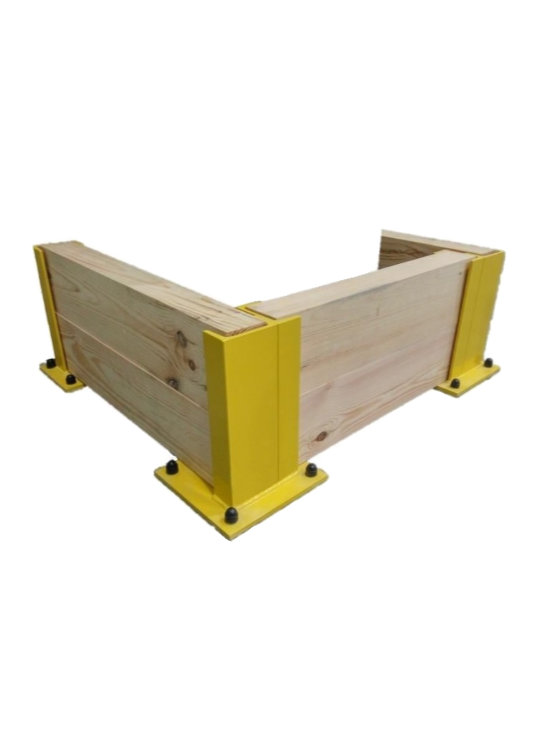
Wooden Impact Protection Barriers
Wooden Impact Protection Barriers – Sonto.pl…
Impact Energy Absorption
Wooden Impact Protection Barriers effectively absorb impact energy, reducing the risk of damage to both vehicles and structures. Unlike steel, which may cause scratches or dents, wood deflects the impact and splits locally, providing a gentler contact.
Ideal for Loading Areas
These barriers are particularly suitable for environments such as loading bays and docks, where avoiding vehicle marking is essential. By using wooden barriers, businesses can minimize liability discussions stemming from paint damage while ensuring safety for both vehicle and structure.
Wooden impact protection cushions the strike and leaves no marks on bodywork, which is why it goes where both the structure and the vehicle need protecting.
Wood behaves differently from steel under impact: it deflects and splits locally, absorbing energy instead of returning it. The result is a gentler contact — for the structure behind the buffer and for the panel of the vehicle that ran into it.
Where not marking the vehicle has value
At loading bays serving an external fleet, every scrape of paint ends in a conversation about liability. A steel buffer leaves a scratch and a dent; a wooden one cushions the contact and transfers no mark to the panel. That argument is as practical as it is technical.
- docks and loading bays
- sites serving external fleets and hauliers
- edges of ramps and levellers
- service bays and wash areas
A consumable element by design
Wood wears faster than steel, and that is not a defect but how it works. A wooden buffer is meant to take strikes and be replaced periodically — its role is to spare the load-bearing structure, not to survive unchanged. Replacing a worn element is straightforward and needs no work on the fixing.
What wood does not replace
For impacts at speed and for protecting critical services, steel bumpers or flexible barriers remain the right answer. Wood works in the range of contact and pressure, not collision.
Frequently Asked Questions
What are the dimensions of the barriers?
Specific dimensions are not provided, but the barriers are designed to fit standard loading area requirements.
How do I install the wooden impact protection barriers?
Installation typically involves securing the barriers to concrete or asphalt surfaces; however, detailed installation instructions should be consulted before proceeding.
What is the delivery time for these barriers?
Delivery time may vary based on order size and location; please contact our sales team for specific timelines.
Need a quote?
This catalogue does not show prices — we quote individually, based on quantity and delivery location.